
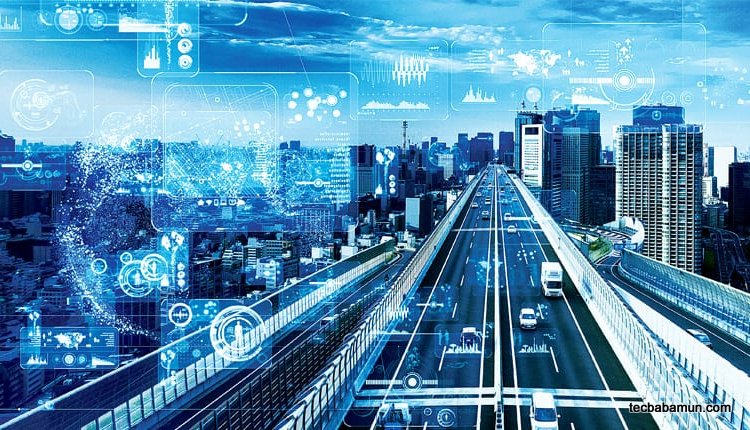
Positive Impact of Technology on Transportation
Now, our quality of life is greatly improved as a result of the positive impact of technology on transportation. Due to the use of technology in transportation, we are now moving from one place to another very quickly.
The positive aspect of the use of technology in transportation is that it takes much less time. Those who work take less time to travel to the office and they do not have to sit in traffic jams for hours.
Reducing Emissions Through Sustainable Transportation
One of the biggest benefits of modern sustainable transportation technologies is the reduction of greenhouse gas emissions. Fossil-fuel-powered vehicles, such as conventional cars and trucks, produce carbon dioxide (CO2), which is a major cause of global warming. Modern transportation uses environmentally friendly technologies, such as electric vehicles (EVs) and hydrogen-powered vehicles, which help to significantly reduce carbon dioxide emissions.
Electric vehicles do not emit direct emissions during operation, as they rely on rechargeable batteries powered by an internal combustion engine. Alternative fuels such as biofuels and compressed natural gas (CNG) are cleaner than traditional gasoline, octane fuels, which emit less of the harmful pollutant nitrogen oxides (NOx).
What is The Role of Technology in Transportation?
Today, it is no secret that technology plays a vital role in our daily lives. From cooking our breakfast to reaching our destination on time, we rely on technology.
The transportation and shipping industries have also come under the influence of technology. Technology has profoundly affected these industries. It has transformed them in ways that people could not have imagined even a few decades ago.
For example, technological advances have helped shipping companies provide better customer service. Many of them now offer real-time tracking visibility, so customers always know where their packages are. Technology has also allowed shipping companies to begin automating many of their processes, resulting in increased efficiency.
DevOps Integration in Travel and Transportation
DevOps integration is changing how technology is applied in the travel and transportation sectors by promoting teamwork between development and operations groups to deploy software solutions efficiently and effectively while reducing downtime and improving user experience overall.
Applications in the travel and transportation sector include DevOps integration that facilitates software upgrades and enhancements. By upgrading the booking system, transportation companies can implement it quickly so that customers can always be assured of service. This adaptability is crucial in an industry where customer needs are always met.
To a large extent, the inclusion of DevOps helps in the scalability of IT infrastructure, enabling them to increase their capacity to meet the demands of transportation. DevOps reduces the risk of errors and improves the reliability of the system. As a result, transportations maintain quality of service while effectively managing their assets.
Hyperloops
Hyperloop is a method of passenger or freight transport that uses electric propulsion and low-pressure tubes to increase the speed of commercial aircraft. The technology uses magnets to propel the passenger tubes, reducing the energy and financial costs required to operate.
Hyperloops are still in their early stages, with top speeds of half the proposed 750 mph. However, they are being tested as a viable alternative to traditional travel methods in the near future.
Drones
For many, the word “drone” still refers to military vehicles or aerial photography. However, the truth is that drones are becoming an increasingly important part of the transportation and shipping industry.
Businesses are starting to use drones for many of their tasks, including delivery. Some companies are already using drones to deliver small items to customers. Although it is still in its early stages, we will see more businesses using drones for delivery in the future.
CONCLUSION
Trucks and electronically integrated supply chains are beginning to revolutionize the entire logistics business through embedded systems that are being layered in an effort to prepare businesses for delivery.Innovations in self-driving trucks and electric battery-powered transport are set to change everything we know about logistics.
These are just a few of the exciting developments taking place in the transportation industry. So now is the perfect time to start our transportation technology revolution. In many cases, there are sectors that not only hold the promise of huge positive environmental impacts, but also make it less likely that we will be out of demand in our lifetimes.


