The Best Technology In classroom
Technology is becoming increasingly important in the classroom. More than 75% of the population owns a smart device, and technology is something we now rely on.
Therefore, classroom innovation is needed to engage students and support learning. Transforming the Classroom We’ll take a look at some trending technologies and products.
Learning Management System
A good LMS is important to reduce stress for teachers, parents and students. If such a list splits your educational activities among different tools, it will be counterproductive, a great LMS helps you organize everything into a one-stop shop.
I personally like Schoology and Canvas, but I know many teachers have done amazing work with Google Classroom, which is “free.”.
Google Classroom is only available for free when it doesn’t require significant human capital like energy and time, like free service platforms like Schoology or Canvas.
The most important asset in learning management amidst the chaos of this school year is staying organized, and Canvas has been a lifesaver for me.
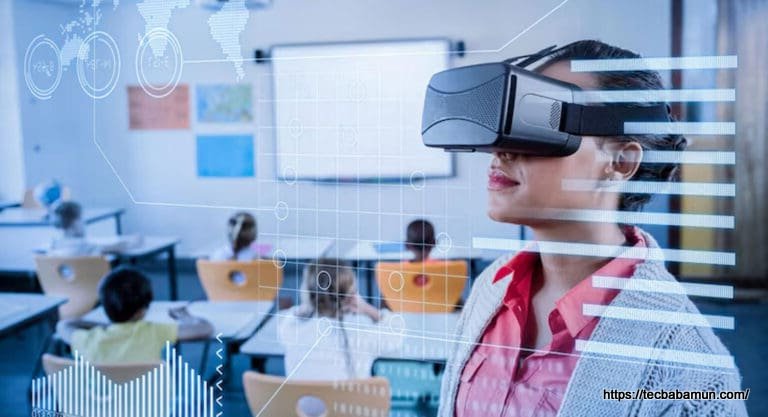
I have taught virtually, many times leading professional learning across regions, delivering content in isolation, and teaching students with masks on with others. Zooming in due to quarantine, COVID, or personal preference.
For me, there is no substitute for in-person teaching and learning, but like teachers and administrators, I now know how to effectively facilitate learning even in situations that were unimaginable in the past.
The frustrations of this school year have led us to explore different types of tools, and the firehose lessons we learned this year have helped us become even better. We just need the tools to create breathing space.
Multimedia Lessons
Gone are the days of single chalkboard lessons, with students using a variety of techniques to learn about a subject. This type of technology in the classroom can help a student understand a subject more deeply.
After all, everyone learns differently, and one student may be proficient in front of a classroom watching a teacher lecture, while another student may learn more effectively in their own time by researching on a tablet.
Teachers can use a variety of technologies in the classroom and transform them into a comprehensive lesson that is applicable to a variety of learning styles. Here are some methods teachers can create multimedia lessons:
- Podcasts: Podcasts have become increasingly popular in recent times, with a variety of podcast genres emerging.
They have also made their way into the classroom, longtime teachers have discovered that podcast setups are often a good way to help students learn about a subject in a fun, innovative way, so they have made their way into the classroom as well. There are plenty of educational podcasts on history, science, and more.
- Recorded lectures: With recorded lectures, listen to the lecture and students can work at their own pace, rewinding and reading slowly the parts they don’t understand.
Some students may not want to ask the teacher to discuss something else in class, so they need to have another way to access the material to master it.
- Digital take-home lesson: Like recorded lectures, digital take-home lessons are good for students to take complete lessons using their own strategies.
AI in the Classroom
The big story in education and technology is the introduction of AI, ChatGPT, and chat bots that send human-written text in response to a prompt or question.
Teachers became concerned that students would use the copy through their writing and use it as their own writing.
As schools adopt policies regarding the tool’s use for students, Many have started to explore potential opportunities – for example, creating reading assignments or coaching students during the writing process.
While AI can help automate things like lesson plan grading, it still needs to do human work first to attract teachers to their profession.
“I’m glad to see some steps towards creating AI tools to improve teachers’ lives – not to replace them, but simply to free up their time for work that teachers can do.”
He emphasizes the need to teach students to question and criticize the development and use of artificial intelligence now. Which provides free resources to teach AI literacy to high school students in a variety of subjects. “We need to teach students to understand and think critically about this technology.”
Learn more about artificial intelligence (AI)
Become a Leader in Enriching Classrooms Through Technology
Teachers unfamiliar with some of the technologies used in education may not have been introduced to these tools while preparing for their careers or as part of their professional development.
Teachers who want to make this change and gain the skills to incorporate technology into education can take advantage of learning opportunities to enhance their skills.
For those who want to help transform the education system through technology, American University’s School of Education offers a Master of Education in Teaching and a Master of Education in Educational Policy and Leadership to prepare online teachers with the tools they need to become leaders.
Courses such as Education Programs and Policy Implementation in Elementary Schools and Teaching Science equip undergraduate students with critical skills to effectively incorporate technology into educational environments.
Benefits Of Using Technology In The Classroom
A major benefit of using technology in the classroom is that it can provide dynamic learning experiences and make students more interactive.
Teachers can use interactive whiteboards to facilitate activities and present multimedia content within the classroom, digital access or they can use tablets to provide learning materials to students.
This can help keep students engaged and motivated, as they are able to participate in practical, Experiencing active learning rather than just reading from a textbook or listening to a lecture.
Another way to use technology to increase student engagement is to provide opportunities for collaboration and communication.
Social media platforms are used to create virtual learning communities where students can share ideas, get feedback from their peers and teachers, and ask questions.
This helps students feel connected to the learning process and encourages them to take an active role in their education.
Take Formal Assessments Online
One of the biggest time-saving features for online multimedia course teachers is automated assessments. Many learning management systems or learning content management systems allow teachers to design and execute quality assessment exercises online.
Of course, there’s no reason this same approach can’t be used in the classroom. Why not make assessment dynamic and fast-paced for students and save teachers time by inviting students to take assessments in class using their laptops or tablets?
Teach Responsible Digital Citizenship
Incorporating technology into the digital citizenship classroom empowers students and teaches them to navigate the digital world responsibly. When communicating on social media and other platforms, students must understand the importance of ethical behavior, data privacy, and cybersecurity.
Students need to understand the importance of data privacy, ethical behavior, and cybersecurity when communicating on social media and other platforms. This includes identifying phishing emails, adhering to campus digital privacy rules, and using public computers and equipment responsibly.
By acquiring digital practice responsibility skills in school, students are better prepared to deal with the complexities of the digital landscape once they enter the workplace.
This training ensures they can engage professionally online, safeguard sensitive data, and contribute positively to their digital communities.
This training ensures that they can work professionally online, protect sensitive information, and make positive contributions to their digital community.
Smartboards
A smartboard is a large interactive projector screen. They work with a projector that creates an enhanced version of the computer screen, which can then be drawn on and controlled through the screen itself.
This is beneficial for schools and classrooms because students are able to interact with the work board without using a computer. Unlike regular whiteboards, they do not draw with their actual pens and do not require constant cleaning.
Google Classroom
Google Technology Classroom remains a cornerstone of the classroom. Its integration with Google Workspace tools simplifies assignment distribution, grading, and communication.
This platform seamlessly integrates with other Google services, increasing productivity and organization for both teachers and students.
Quiet a Noisy Classroom
To make teaching and presentations easier, use a tool that tracks and displays classroom noise. Too Noisy is an accurate noise meter. You will probably find that – without them knowing – students will become quiet when the meter rings. They may need the visual reminder. Most of these men are not annoying when you teach or work independently. They may even be healthy.
Interactive Learning Environments
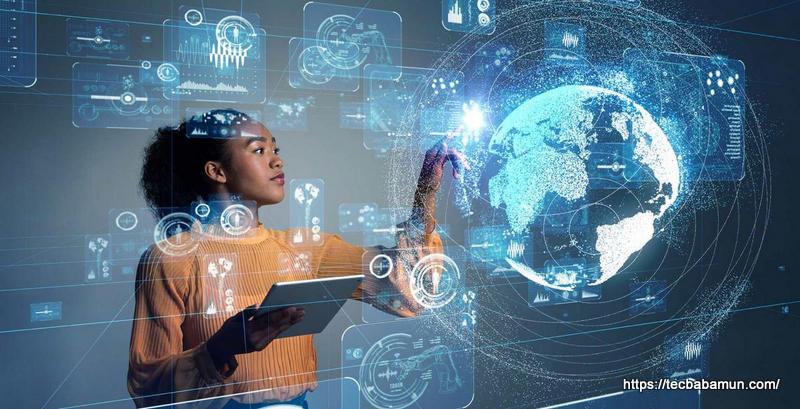
Traditional lecture-style classrooms, where trainers talk and students listen, are slowly disappearing. Interactive learning environments are on the rise, featuring collaborative technologies such as interactive whiteboards, touchscreen displays, and digital projectors.
These tools empower instructors and students to actively interact with educational content, enhancing dynamic and engaging learning experiences.
Conclusion
Technological tools have become essential resources in K-12 teaching and learning, reshaping traditional education and promoting a dynamic student-centered approach.
The impact of these tools extends beyond the boundaries of the classroom, affecting how teachers deliver content, assess progress, and communicate with students.
From interactive whiteboard learning management systems to adaptive platforms, to collaborative software, technology offers a variety of possibilities for improving the outcomes of educational experiences.