What Is Transportation Technology?
When you think of importance technology innovations in the field of transportation, what comes to mind that have changed lives?
Commercial airlines? What about hybrid cars? All of these answers would be correct. The bottom line is that these technologies have completely upended the status quo in the transportation sector and have had a lasting impact on how we move.
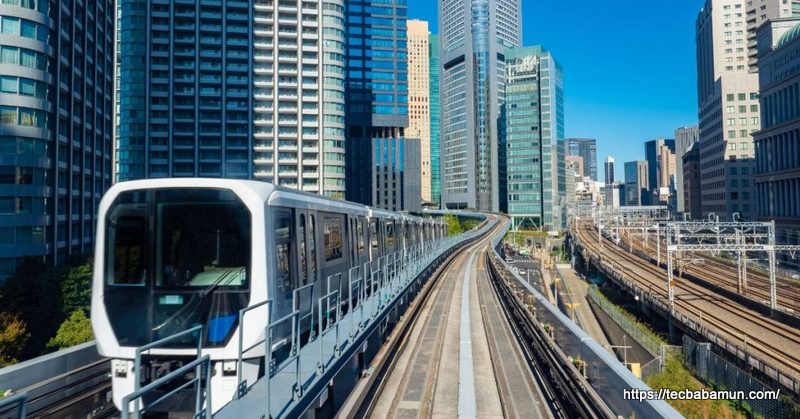
Innovation in transportation technology stems primarily from three requirements: efficiency, ease, and safety. Scientists work alongside transportation industry professionals to ensure that these new technologies get more people or goods to their destinations quickly and safely with as few resources as possible. For example, this is why we have seen a shift from coal-fired trains to ultra-fast bullet trains, luxury aircraft to budget-friendly cost-saving models, and a shift from gas-powered vehicles to 100 percent electric cars.
As technologies like artificial intelligence, data science, and deep learning improve, vehicles will also improve. These fields serve as the foundation for everything from autonomous vehicles to space travel, and even ride-hailing platforms like Uber and Lyft. Due to the huge potential of these technologies, transportation technology has become one of the fastest growing highly competitive fields in the world. Thousands of startups are racing to create the next big thing in the world of transportation.
What’s the Role of Technology in Transportation?
Today, it’s no secret that technology plays a vital role in our daily lives. We rely on technology for everything from cooking our breakfast to getting to work on time.
The transportation and shipping industries are no different. Technology has transformed these industries in ways that were unimaginable even a few decades ago.
For example, technological advances have allowed shipping companies to provide better customer service. Many of them can now provide real-time tracking visibility so customers always know where their packages are. In addition, technology has enabled shipping companies to automate many of their processes resulting in increased efficiency and accuracy.
Increased connectivity
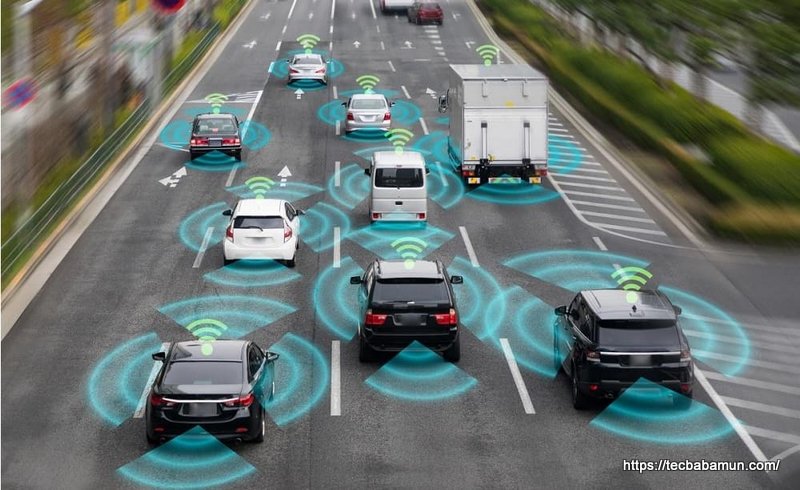
As more vehicles connect to the internet, transportation systems will become more efficient. For example, self-driving cars can communicate with each other to optimize traffic flow and avoid collisions.
Technology has already had a significant impact on transportation, with its role expected to become even more important in the future. As we continue to develop new technologies, we have the potential to transform the transportation system, creating more efficient, safer, more sustainable transportation methods. The challenge will be to use these technologies in a way that benefits everyone and minimizes negative impacts. By working together, we can create a transportation system that meets the needs of people today and in the future.
Technological Advancements in Transportation
One of the major reasons for the recent changes in industrial business activities is the advancement of technology. Transportation, the physical process of moving people, livestock products from one place to another, is a constant demand worldwide.
Technological advances in transportation have had varying impacts on development and use in different countries and regions of the world. These impacts have implications for economic growth, trade, resource use, the environment, and security.
The direction and effectiveness of private government policies in response to technological change are important elements. The need for speed is always present. Since the beginning of recorded history, the speed of transportation has been determined by necessity.
The earliest forms of transportation used no technological skill. Wooden carts pulled by hammers and oxen, compasses, harnesses, and sails have changed little in thousands of years. Not only the speed of our times, but also the high value of human, material, energy resources, and care for our environment have spurred rapid technological advances to meet the travel transportation needs of the twentieth century.
Route optimisation
Navigating London’s complex web of streets requires more than just a map. Technology comes with sophisticated route optimization algorithms that take into account real-time traffic data, road closures, and even weather conditions. The result? Efficient routes that reduce delivery times and fuel consumption, contributing to both economic and environmental sustainability.
Conclusion
The importance of technology is playing a significant role in future transportation. From electric vehicles to autonomous cars, Hyperloop trains, and AI technology, innovation is revolutionizing the way we move.
As we face challenges related to climate change, urbanization, and population growth, the importance of technology in creating a sustainable and efficient transportation system cannot be overstated. By embracing technology, investing in innovation, we can create a future where transportation is safe, sustainable, and accessible to all.